- Comprehensive Guide to SAMSA Safety Equipment Requirements for All Categories
- Understanding SAMSA’s Safety Framework
- Personal Protective Equipment (PPE)
- Lifesaving Appliances
- Firefighting Equipment
- Communication and Navigation Safety Equipment
- Environmental Protection Equipment
- Documentation and Training
- Conclusion
Comprehensive Guide to SAMSA Safety Equipment Requirements for All Categories
When it comes to maritime safety, adherence to the South African Maritime Safety Authority (SAMSA) requirements is critical. SAMSA enforces rigorous safety standards to ensure the protection of lives, vessels, and the environment in South African waters. Understanding the comprehensive list of safety equipment required across all categories is essential for shipowners, operators, and crew alike. This guide offers an in-depth overview of the necessary safety equipment mandated by SAMSA, covering everything from personal protective gear to lifesaving and firefighting apparatus.
Understanding SAMSA’s Safety Framework
SAMSA operates according to international conventions such as SOLAS (Safety of Life at Sea), MARPOL (Marine Pollution), and the South African Merchant Shipping Act, ensuring maritime safety standards align with global best practices. The safety equipment requirements vary depending on the vessel’s size, type, and operational area, but certain fundamental equipment is universally mandated.
Personal Protective Equipment (PPE)
Personal protective equipment is essential for the safety of crew members and passengers onboard. SAMSA requires that all vessels carry appropriate PPE, which includes:
- Life jackets and personal flotation devices (PFDs): Each person onboard must have a properly fitting life jacket or PFD that meets SAMSA’s standards.
- Immersion suits: For vessels operating in colder or higher-risk waters, immersion suits are mandatory to prevent hypothermia in the event of abandoning ship.
- Helmets, gloves, and safety boots: For operational safety on deck, these PPE items should be available and worn as necessary.
- Safety harnesses and lines: Particularly on vessels where crew members work at heights or near the vessel’s edge, fall protection equipment is a must.
Lifesaving Appliances
Lifesaving appliances are among the most critical safety equipment categories on any maritime vessel. SAMSA stipulates that the following must be onboard and fully maintained:
- Lifeboats and lifecrafts: The number and type depend on the vessel’s size and passenger capacity. Lifeboats must be regularly inspected and ready for immediate deployment.
- Distress signals: Flares, smoke signals, and distress rockets must be available and compliant with SAMSA’s specifications.
- Emergency Position-Indicating Radio Beacons (EPIRBs): These devices enable distress signals to be transmitted to search and rescue teams.
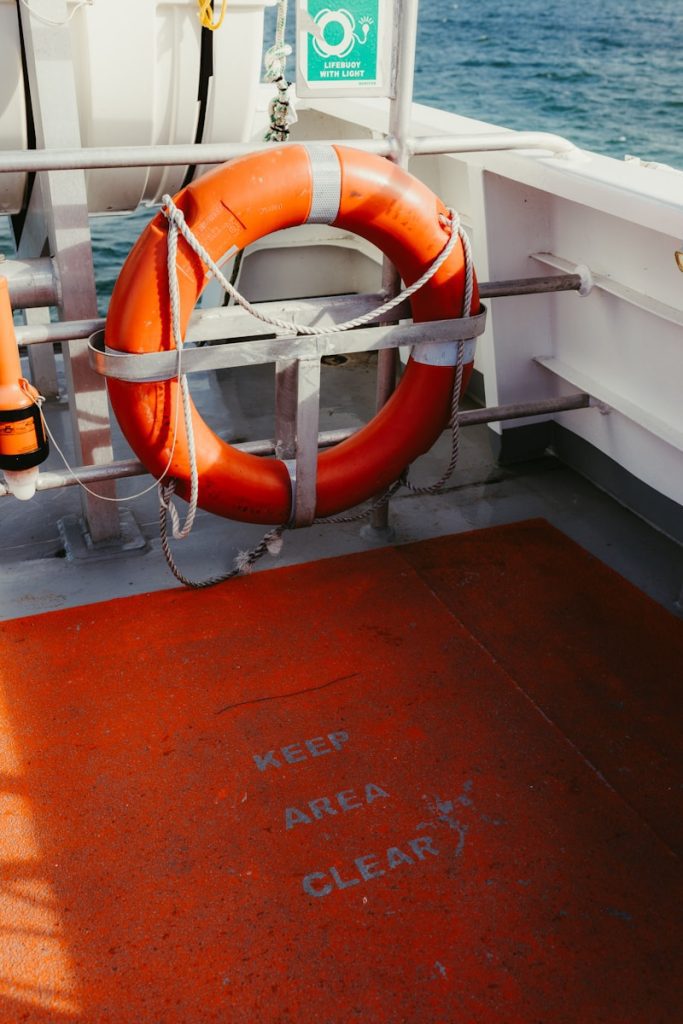
- Life buoys: Equipped with self-igniting lights or smoke signals, life buoys should be distributed around the vessel.
Firefighting Equipment
Fire safety on board is non-negotiable. SAMSA mandates a range of firefighting equipment suited to different types of fires and vessel areas, including:
- Fire extinguishers: Portable extinguishers of various classes (A, B, C, and D) must be present in all designated areas.
- Fixed fire suppression systems: Depending on engine room size and other high-risk spaces, systems such as CO2 or foam-based suppression are necessary.
- Fire hoses and hydrants: These must be strategically positioned and in working order to effectively combat fires.
- Fire alarms and detection systems: Early warning can save lives and property, making these systems a core requirement.
Communication and Navigation Safety Equipment
Effective communication is crucial during emergencies. SAMSA’s safety equipment checklist includes:
- VHF radios: Essential for ship-to-ship and ship-to-shore communication.
- Radar and AIS (Automatic Identification System): These help in navigation and collision avoidance.
- Navigation lights and sound signals: Required to ensure visibility during night operation or poor weather.
- GMDSS (Global Maritime Distress and Safety System): Larger vessels must carry GMDSS equipment for coordinated distress alerting.
Environmental Protection Equipment
In line with MARPOL regulations enforced by SAMSA, equipment to prevent environmental pollution includes:
- Oil spill containment gear: Booms, skimmers, and absorbent materials to manage accidental discharge.
- Garbage management tools: Proper receptacles and disposal systems to minimize marine pollution.
- Sewage treatment systems: To ensure effluent meets environmental standards before discharge.
Documentation and Training
Lastly, SAMSA requires vessels to carry proper documentation and ensure crew competency:
- Safety manuals and procedures: These should detail equipment operation, emergency drills, and protocols.
- Certificates of compliance: Proof that the vessel meets SAMSA’s safety standards.
- Crew training records: Demonstrating that personnel have received training in safety equipment use and emergency response.
Conclusion
For anyone involved in South Africa’s maritime industry, understanding SAMSA’s comprehensive safety equipment requirements is vital. These regulations safeguard lives, vessels, and the marine environment by enforcing a robust safety culture at sea. Whether you’re operating a small fishing boat or a large commercial vessel, having the correct, well-maintained safety gear onboard and ensuring crew readiness can make all the difference in emergencies. Staying informed and compliant with SAMSA’s safety framework not only fulfils legal obligations but also enhances operational security and confidence on the water.
The post Safety Equipment Must-Have Guide: Best SAMSA Requirements 2025 first appeared on Skippers License.
